Engineering And Validation For OEM Truck Lighting
Truck lighting programs need more than attractive product photos. Rover emphasizes fitment, tooling, vibration resistance, sealing, aging, inspection, and production release control.
Engineering Review
Rover reviews truck application details, benchmark samples, drawings, target functions, housing structure, optical assumptions, and installation requirements.
Testing & Validation
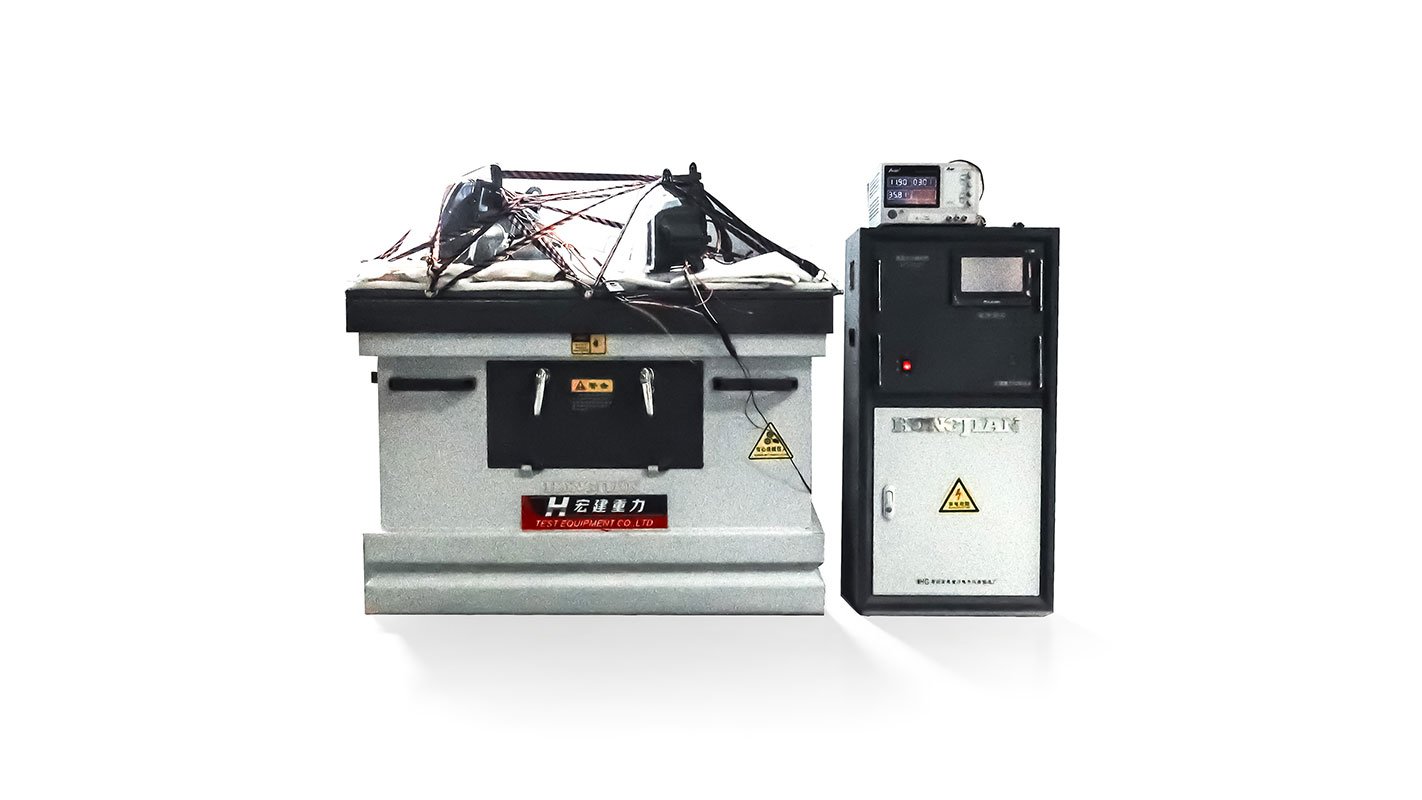
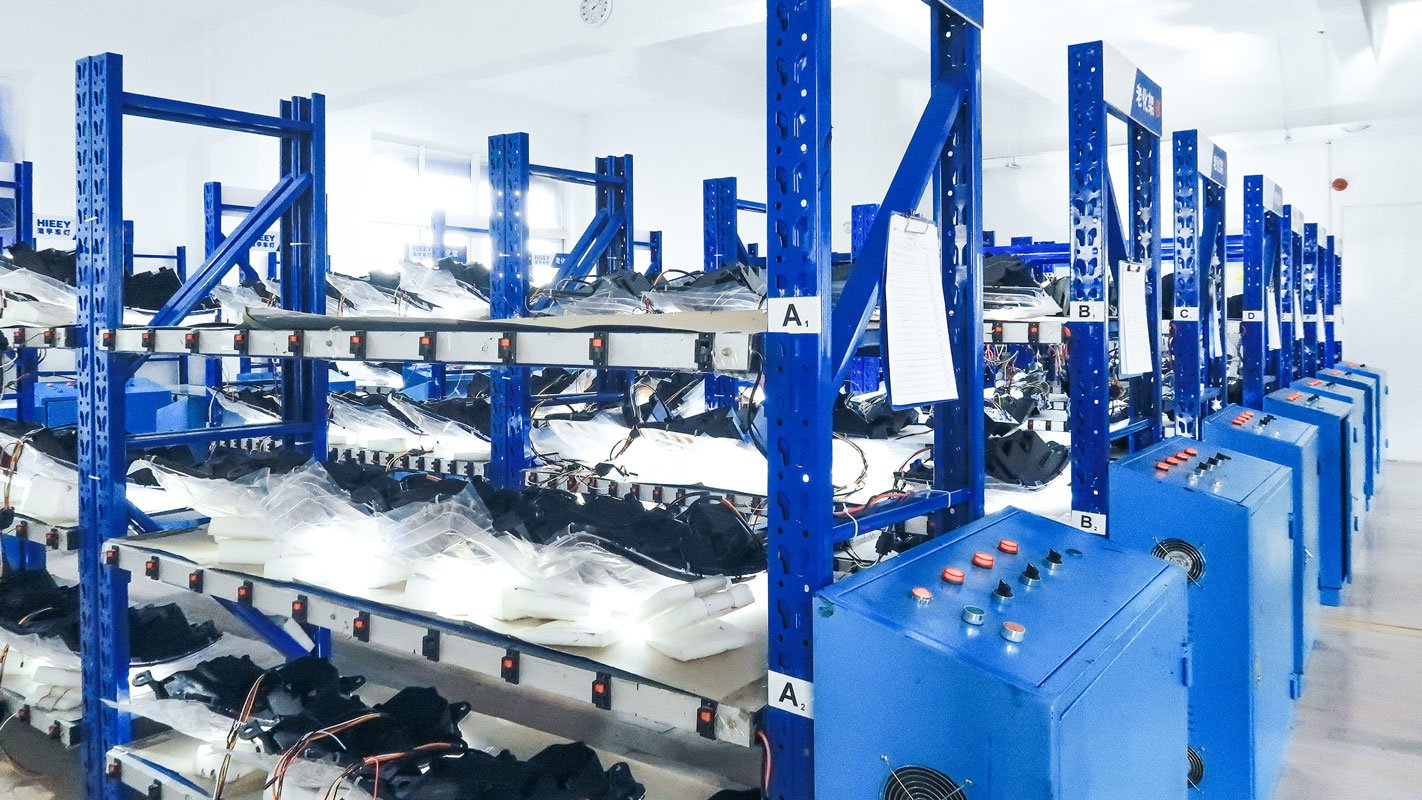
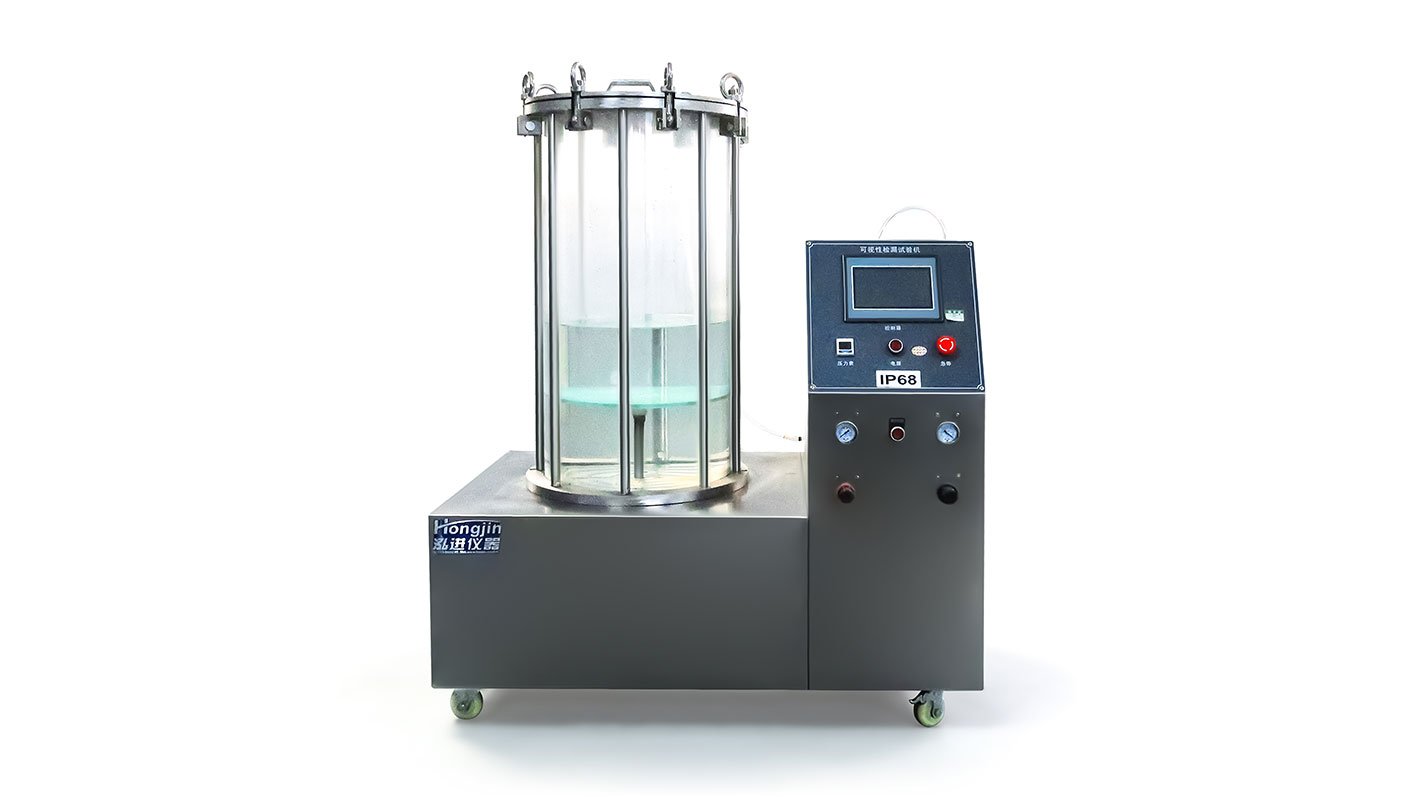
Uploaded validation assets now support the site story: vibration testing, aging-room testing, visual leak testing, and certification documentation.
Request a truck lighting RFQ
Send vehicle application, annual volume, drawings or samples, target certification, packaging needs, and launch timeline.
Request A QuoteProduction Release
Truck lighting products move toward production after sample review, buyer approval, quality checkpoints, packaging confirmation, and final inspection planning.
Buyer Outcome
The goal is lower procurement risk, stronger product reliability, fewer warranty issues, and a clearer launch path for truck lighting programs.
Request a truck lighting RFQ
Send vehicle application, annual volume, drawings or samples, target certification, packaging needs, and launch timeline.
Request A QuoteFAQ
What validation matters for truck lighting?
Vibration, sealing, aging, durability, photometric intent, material consistency, and final inspection all matter for truck lighting buyers.
Can Rover review truck lighting samples?
Yes. Rover can review buyer samples, drawings, photos, and application targets before quotation.
Why is engineering important for truck lighting?
Truck lighting operates in demanding road conditions, so engineering and validation reduce failure risk and support consistent production.