
How to Choose a Reliable Truck Lighting Manufacturer
Choosing a truck lighting manufacturer is not only about price. For aftermarket brands, importers and distributors, the right supplier affects product development, quality stability, delivery risk and long-term brand reputation.
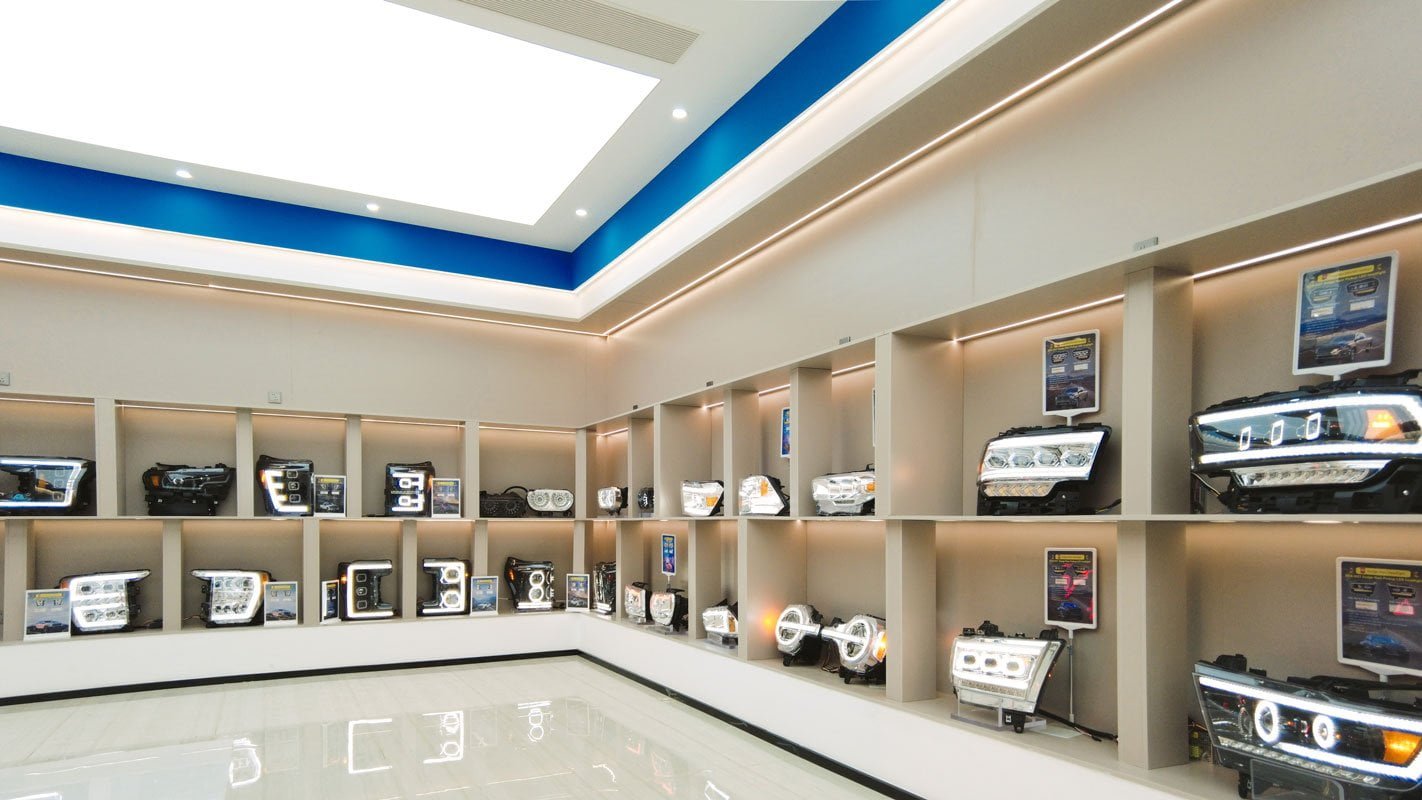
Quick Answer
Truck lighting buyers often compare suppliers by quotation, product photos and basic catalog information. That is useful at the early stage, but it is not enough for OEM, ODM or private-label truck lighting programs.
A reliable LED light supplier should be able to explain engineering capability, product validation, manufacturing process, quality control and communication support before mass production begins.
Key Takeaways
- A reliable truck lighting manufacturer should combine engineering, tooling, production and quality-control support.
- Buyers should evaluate more than product appearance, especially for LED headlights and heavy-duty truck lighting.
- OEM and ODM programs need clear communication around drawings, samples, testing requirements and production standards.
- Manufacturing visibility helps reduce sourcing risk for importers, distributors and private-label brands.
- The strongest suppliers help buyers move from product idea to validated production, not only from quotation to shipment.
Main Content
When buyers search for a truck lighting manufacturer, they are usually trying to reduce risk. They need a supplier that can deliver stable quality, support market requirements and communicate clearly during development and production.
This is especially important for LED truck lighting. Products such as LED headlights, fog lights, tail lights, grilles and semi truck headlights require more than assembly. They involve housing structure, optical performance, electronics, sealing, heat dissipation and long-term durability.
For B2B buyers, the best question is not simply “How much is this product?” A better question is “Can this supplier support the product program behind this order?”
1. Check Product Focus
A supplier focused on truck lighting will better understand pickup truck and heavy-duty truck application requirements than a general automotive accessory supplier.
2. Check Engineering Support
For OEM and ODM projects, buyers should ask whether the supplier can support design review, prototype feedback, tooling communication and validation.
3. Check Manufacturing Visibility
Real manufacturing photos, workshop information and process descriptions help buyers understand whether the supplier can control production consistently.
4. Check Quality Control
Reliable suppliers should explain testing, inspection, waterproof validation, aging checks and other quality-control steps before mass production.
Technical Explanation
Truck lighting products face vibration, temperature changes, moisture, dust and long operation hours. This means a manufacturer must pay attention to the full product system, not only the visible lens and housing.
For LED lighting, technical evaluation should include optical design, LED driver reliability, thermal path, housing structure, seal design and final testing.
Buyer Evaluation Checklist
- Does the supplier understand pickup and semi truck lighting applications?
- Can the supplier support OEM or ODM development?
- Are injection molding, assembly and testing processes documented?
- Does the supplier provide prototype and validation support?
- Can quality standards be repeated across production batches?
RAP Perspective
RAP positions itself as a truck lighting OEM and ODM partner for North American aftermarket brands. The goal is to support buyers who need product development, manufacturing coordination and quality control for repeat truck lighting programs.
For RAP, a reliable supplier relationship should start before the purchase order. Buyers should be able to discuss product category, vehicle platform, target market, feature requirements, testing expectations, packaging and production planning.
This approach helps reduce uncertainty and creates a stronger foundation for long-term private-label and distributor programs.
Related Services
FAQ
What makes a truck lighting manufacturer reliable?
A reliable truck lighting manufacturer should have engineering support, stable production capability, clear quality control, testing processes and experience supporting B2B aftermarket programs.
Should buyers choose a factory or a trading company for truck lighting?
For OEM and ODM truck lighting programs, buyers usually benefit from working with a manufacturer that can support development, tooling, testing and production communication directly.
What should importers ask before placing a truck lighting order?
Importers should ask about product scope, supported applications, tooling capability, testing process, quality control checkpoints, packaging support and expected production lead time.
Why is engineering support important for LED truck lighting?
LED truck lighting requires optical design, heat dissipation, housing structure, sealing, electronics and validation. Engineering support helps reduce development and warranty risk.
Can RAP support private label truck lighting programs?
Yes. RAP supports OEM and ODM truck lighting development for aftermarket brands, importers and distributors, including product development, manufacturing coordination and quality control.
Looking for a Truck Lighting Manufacturer?
RAP supports aftermarket brands, importers and distributors with OEM and ODM truck lighting development, manufacturing support and quality control.