
Inside the Production Process of LED Truck Lights
For B2B truck lighting buyers, understanding LED light manufacturing helps evaluate supplier capability, production consistency and quality-control risk before placing repeat orders.
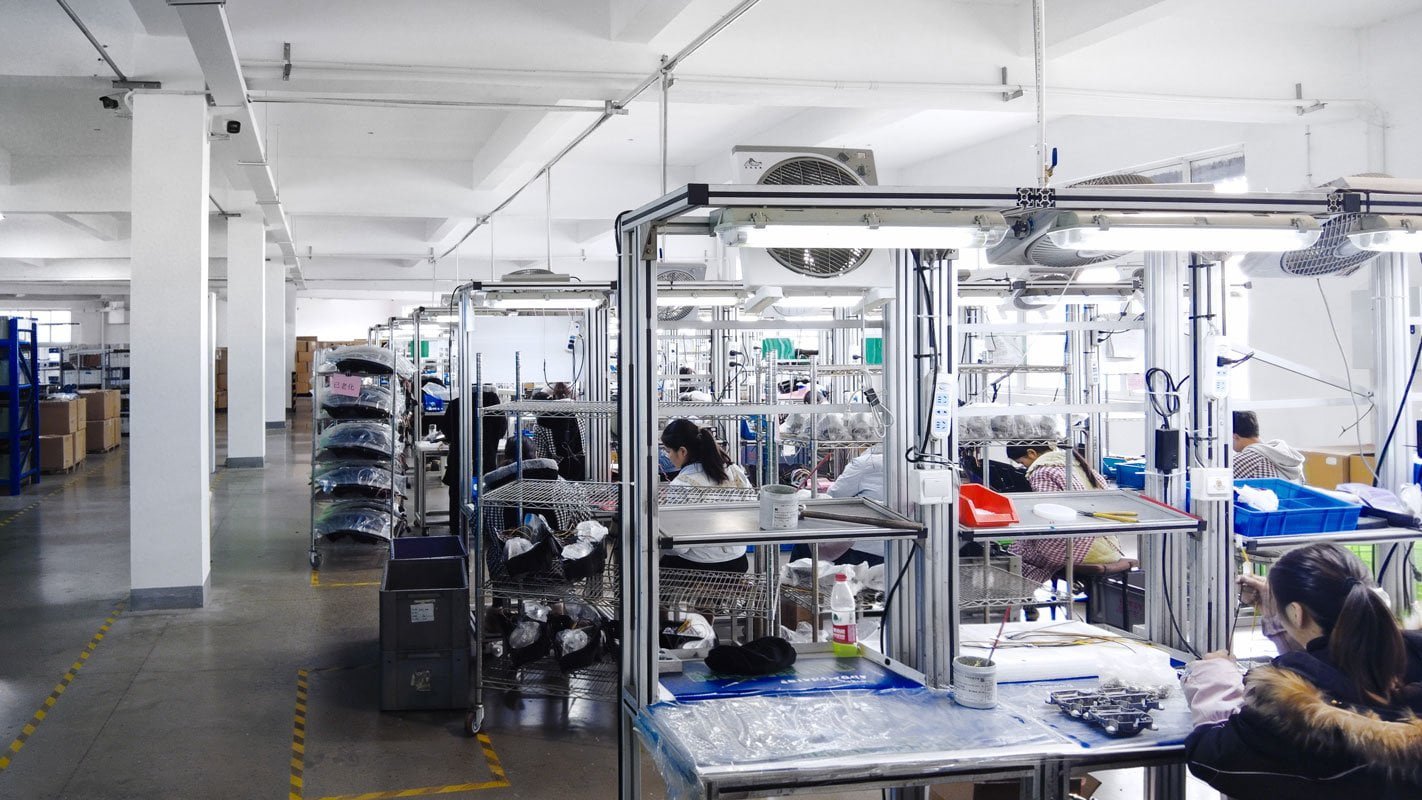
Quick Answer
LED truck lights are not only assembled products. They depend on molded structures, electronic components, optical parts, sealing processes, functional checks and packaging control.
This article explains the core truck light production process from a B2B sourcing perspective, helping brands, importers and distributors understand what to review in a manufacturing partner.
Key Takeaways
- LED light manufacturing should be reviewed as a complete process, not only a final product photo.
- Injection molding affects housing structure, lens fit and sealing consistency.
- Assembly quality affects optical alignment, electronics reliability and waterproof performance.
- Testing helps confirm function, durability and production consistency before shipment.
- Packaging protects products during shipping and supports private-label brand presentation.
Main Content
Truck light production begins before the assembly line. A reliable manufacturer needs control over materials, components, molded parts, assembly procedures, testing standards and packaging requirements.
For aftermarket brands, a clear production process helps reduce warranty risk and supports stable repeat orders.
Injection Molding
Housing and related plastic components are molded to support structure, fit and sealing performance.
Assembly
Lighting components, electronics, wiring, seals, lenses and housings are assembled according to product requirements.
Testing
Products are checked for function, sealing, aging, vibration or other project-specific quality points.
Packaging
Packaging protects products during shipping and can support private-label or distributor requirements.
Technical Explanation
Injection molding must support stable dimensions and repeatable fit. If molded parts vary, lens bonding, sealing and assembly quality can suffer.
Assembly requires control of optical parts, LED boards, drivers, wiring, vents and sealing. Testing then helps verify whether the finished product meets functional and durability expectations.
Buyer Evaluation Checklist
- Injection molding capability and part consistency
- Assembly process and quality checkpoints
- Waterproof, function and aging test approach
- Production-line inspection records
- Packaging and private-label support
- Repeat-order manufacturing stability
RAP Perspective
RAP connects truck lighting product planning with manufacturing capability, helping aftermarket brands, importers and distributors understand how LED truck lights move from molded parts to finished products.
For RAP, a strong manufacturing process should support product consistency, quality-control visibility and long-term B2B supply relationships.
Related Services
FAQ
What is the production process of LED truck lights?
The production process usually includes injection molding, component preparation, assembly, functional testing, quality inspection, packaging and shipment preparation.
Why is injection molding important in truck light production?
Injection molding affects housing consistency, lens fit, structure strength, sealing performance and repeatable production quality.
What happens during LED truck light assembly?
Assembly can include housing preparation, optical components, PCB and driver installation, wiring, sealing, lens bonding and function checks depending on the product.
What testing is used for LED light manufacturing?
Testing may include functional inspection, waterproof validation, aging checks, vibration review, photometric review and production-line quality control.
Why should B2B buyers review manufacturing capability?
Manufacturing capability helps buyers understand whether the supplier can support stable quality, repeat orders, product validation and long-term truck lighting programs.
Review RAP Manufacturing Capability
RAP supports truck lighting buyers with product planning, OEM and ODM discussion, manufacturing coordination and quality-control support.