
The Importance of Testing in Automotive LED Lighting Production
LED lighting testing is one of the most important controls in automotive lighting production. It helps buyers evaluate reliability before products move into repeat orders and aftermarket distribution.
Quick Answer
Automotive LED lighting products operate in demanding conditions, including moisture, heat, vibration, road exposure and long operating hours. Without proper testing, a product that looks acceptable during sampling may create problems after launch.
For B2B buyers, LED lighting testing is not just a technical detail. It is a procurement risk-control tool that supports product reliability, warranty reduction and long-term supply confidence.
Key Takeaways
- LED lighting testing helps verify function, durability and production consistency.
- Testing should support product development, sample approval, mass production and final inspection.
- Common testing areas include waterproof performance, aging, lighting output, electronics stability and final functional checks.
- Buyers should ask suppliers how testing is integrated into the production process.
- Strong testing capability helps reduce warranty risk and protects aftermarket brand reputation.
Main Content
Testing plays a different role at each stage of automotive LED lighting production. During development, it helps confirm whether the design is practical. During sample review, it supports buyer approval. During production, it helps control consistency. Before shipment, it helps identify product issues before they become market complaints.
Waterproof Testing
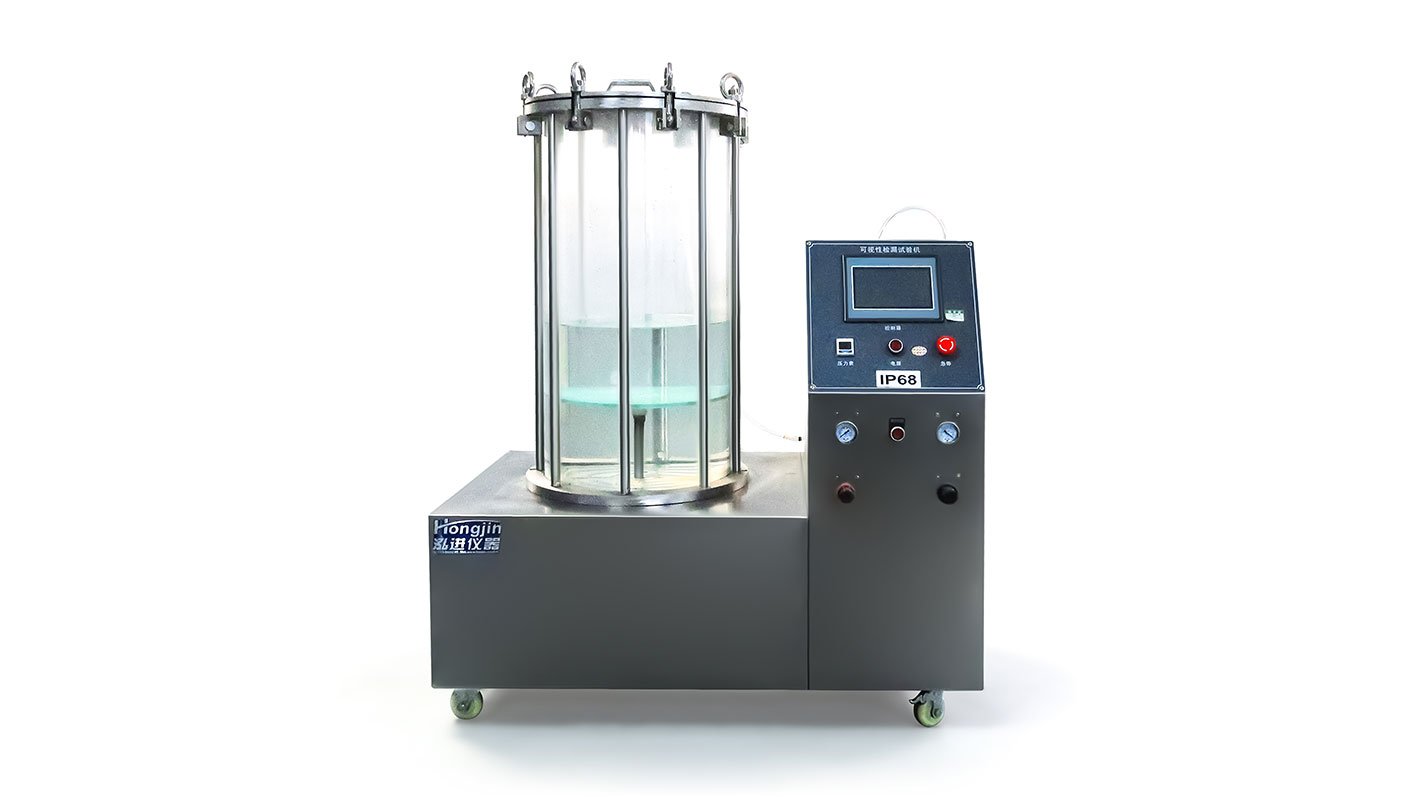
Reviews sealing structure, housing design and moisture resistance for real use conditions.
Aging Testing
Runs products for a defined period to identify early failures before shipment.
Performance Testing
Checks function, light output, beam behavior and electronics stability.
Technical Explanation
LED lighting testing should be connected to the production workflow rather than treated as a final step only. For truck headlights, fog lights, tail lights and semi truck headlights, the test plan may vary by product category, market requirements and customer expectations.
When testing is built into the workflow, suppliers can identify problems earlier, communicate more clearly with buyers and reduce the chance that quality issues appear only after products enter the market.
RAP Perspective
RAP supports automotive LED lighting programs with quality-control thinking across product development, production and final inspection. For truck lighting buyers, testing is part of the larger supplier evaluation process.
A reliable supplier should be able to explain what is tested, why it matters and how the testing process supports repeat-order stability.
FAQ
Why is LED lighting testing important in automotive production?
LED lighting testing helps confirm function, durability, sealing performance and production consistency before products reach B2B buyers and end markets.
What tests are commonly used for automotive LED lighting?
Common checks may include functional testing, waterproof validation, aging tests, lighting performance review, vibration-related review and final quality inspection.
How does testing reduce buyer risk?
Testing helps identify failures earlier, reduce warranty exposure, support repeat-order consistency and improve confidence before mass production.
Should testing happen only after production?
No. Testing should support development, sample review, production validation and final inspection, especially for OEM and ODM lighting projects.
How does RAP support LED lighting testing?
RAP supports testing discussions, validation planning and quality-control coordination for truck lighting programs, including pickup and heavy duty truck lighting.
Review RAP Quality Control
Discuss LED lighting testing, validation requirements and quality-control expectations for your truck lighting program.