
OEM Truck Lighting Development Process: From Concept to Mass Production
A successful OEM truck lighting program needs more than a product idea. Buyers need a clear development path from concept and engineering review to prototype, testing and mass production.
Quick Answer
For aftermarket brands, importers and distributors, custom truck lights can create stronger product differentiation. But without a structured development process, OEM projects can face delays, quality risks and unclear expectations.
This guide explains the core OEM truck lighting development process from concept to mass production, using a practical B2B buyer perspective.
Key Takeaways
- OEM truck lighting development should begin with clear product requirements and target applications.
- Engineering review helps convert ideas, samples or drawings into manufacturable solutions.
- Prototype development reduces risk before tooling and mass production.
- Testing validates function, durability and production readiness.
- A structured process helps buyers build custom truck lights with better quality control and timeline visibility.
Main Content
Many buyers start an OEM truck lighting project with a product idea, reference sample, market request or target vehicle platform. The challenge is turning that starting point into a reliable lighting product that can be produced repeatedly.
For products such as LED headlights, fog lights, tail lights, LED grilles or semi truck headlights, the development process must balance appearance, function, tooling, testing and manufacturing.
Concept
Define target vehicle application, product type, feature direction, market position and buyer requirements.
Engineering
Review product structure, lighting function, materials, electronics, tooling feasibility and manufacturing risks.
Prototype
Create samples for appearance, function, fitment direction and early validation before production tooling decisions.
Testing
Check function, waterproof performance, vibration, aging, optical performance and project-specific quality points.
Production
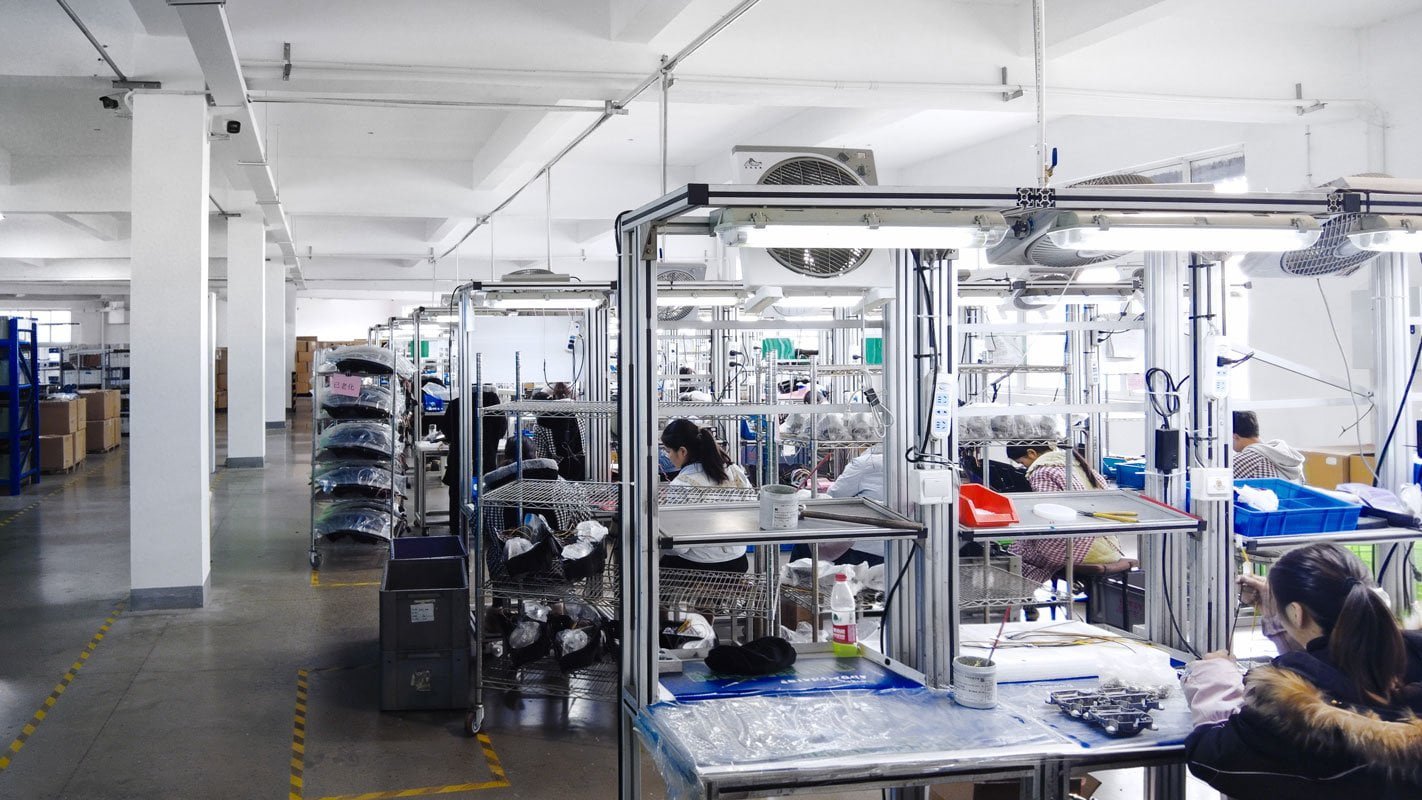
Move into tooling, assembly, inspection, packaging and mass production with defined quality-control checkpoints.
Technical Explanation
OEM truck lighting development connects design intent with real manufacturing constraints. A product that looks strong in a rendering still needs housing structure, lens design, sealing, heat dissipation, electronics and assembly planning.
Engineering review helps identify potential risks early. For example, an LED headlight project may require beam-pattern control, thermal path evaluation, waterproof structure, PCB and driver planning, and production-line inspection standards.
Testing should be treated as part of product development, not an afterthought. Validation helps confirm whether the custom truck lights can support the buyer’s target market and reduce warranty risk after launch.
RAP Perspective
RAP supports OEM and ODM truck lighting projects for North American aftermarket brands. The development process is designed to help buyers move from product concept to manufacturable truck lighting products with stronger engineering and production visibility.
For RAP, custom truck lights should be developed around buyer requirements, target applications, product function, manufacturing feasibility and quality-control expectations.
Related Services
FAQ
What is the OEM truck lighting development process?
The OEM truck lighting development process usually moves from concept and engineering review to prototype development, testing, tooling, production preparation and mass production.
What should buyers prepare before starting a custom truck lights project?
Buyers should prepare target vehicle application, product type, function requirements, reference samples or drawings, expected quantity, market requirements and packaging needs.
Why is the prototype stage important?
The prototype stage helps buyers review appearance, function, fitment direction, material choices and early technical risks before committing to tooling or mass production.
What testing is important before production?
Testing can include functional checks, waterproof validation, vibration review, aging, photometric review and production-line quality inspection depending on the project.
How does RAP support OEM truck lighting projects?
RAP supports OEM and ODM truck lighting development for aftermarket brands, importers and distributors, helping connect product requirements with engineering, manufacturing and quality-control support.
Start an OEM Truck Lighting Project
RAP supports aftermarket brands, importers and distributors from concept review through engineering, prototype, testing and production.